Newsletter Subscribe
Enter your email address below and subscribe to our newsletter

 ByJohn A
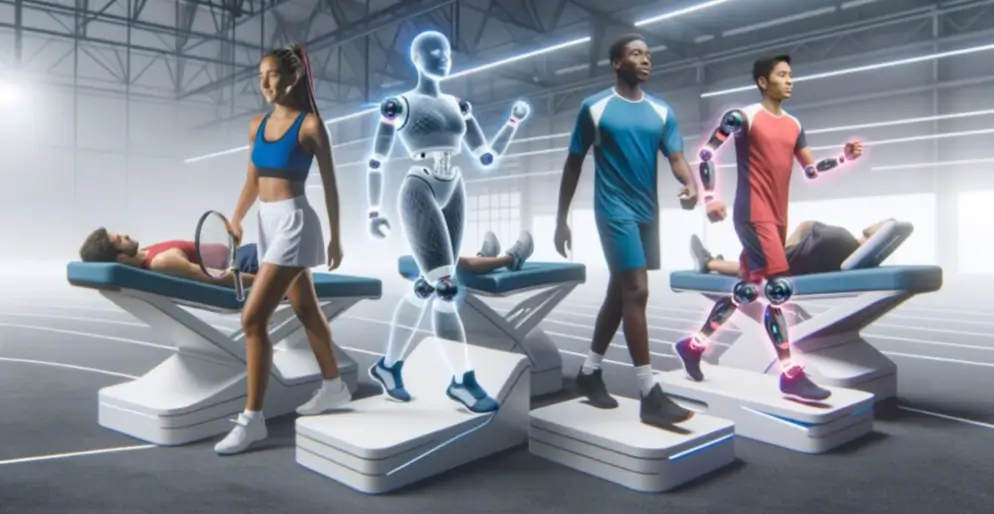
AI-driven analytics convert athlete data into actionable insights, enabling real-time feedback and precise biomechanical refinement. Personalization at scale adjusts plans, workload, and recovery to diverse cohorts. Predictive models flag injury risk and optimize training load, while explainable outputs build coaching trust. As micro-movements correlate with outcomes, hypotheses can be tested quickly and safely. The question remains: how will these data-informed adjustments reshape performance ceilings across sports?
AI-driven analyses reveal that performance patterns are highly individualized and context-dependent, with small biomechanical or decision-making deviations amplifying outcomes over time.
The approach emphasizes data quality and rigorous validation, revealing that subtle shifts correlate with success across contexts.
Model explainability enhances trust, enabling coaches to translate insights into actionable strategies while maintaining scientific scrutiny and freedom to adapt techniques responsibly.
Data-driven metrics outline technique cues and their impact on velocity, accuracy, and efficiency.
Biomechanical analysis identifies subtle deviations, guiding corrective actions.
The approach supports rapid hypothesis testing, ensuring repeatable gains while maintaining safety and performance integrity.
See also: analysistheme
Personalization at scale leverages data-driven models to design individualized training plans and manage workloads across large athlete populations. Analytics quantify responses to varying stimuli, enabling evidence-based adjustments and scalable resource allocation. Personalization strategies emerge from cross-domain signals, balancing performance targets with recovery windows. Findings indicate improved adherence and efficiency, while workload optimization reduces variance in strain and sustains progression across diverse cohorts.
In parallel with the scalability of personalized plans, predictive analytics and recovery data offer a proactive approach to injury prevention across athlete cohorts. Preventive analytics identify risk trajectories from training load, biomechanics, and recovery markers. Data-driven decisions enable targeted interventions, minimizing downtime. Sleep optimization emerges as a key moderator, enhancing adaptation and resilience while guiding evidence-based, scalable prevention strategies.
Answer: AI insights are increasingly accurate but vary; calibration and collaboration with coaches improve reliability, while scalability, training personalization, and ROI metrics drive utility, all balanced by data ethics. Evidence favors hybrid models over sole AI governance for performance.
In a storm of charts, AI adapts; it can shift projections as plans change. It shows adaptation strategies and real time responsiveness, though gaps persist. Data-driven, evidence-based confidence remains tempered, yet it offers empowering, freedom-loving athletes nuanced guidance.
Athletes do not necessarily need specialized tech; however, specialized wearables and robust data integration enhance AI utility by providing richer inputs, enabling more precise analyses, individualized insights, and scalable, evidence-based training adjustments for those pursuing freedom through data.
Data privacy is safeguarded through robust data governance and consent management, ensuring transparent collection and use. The program evaluates risk, anonymizes inputs, and logs access, presenting evidence-based safeguards to empower users seeking freedom while maintaining ethical standards.
The costs and ROI of AI coaching solutions vary; data shows favorable payback through performance gains and reduced labor. A cost comparison indicates upfront software and integration expenses, with shorter implementation timelines enabling faster ROI realization for autonomous teams.
AI-driven systems reveal consistent gains by translating biomechanical data into actionable coaching cues. Real-time feedback tightens technique; personalized plans balance workload and recovery; predictive analytics flag injury risk before it materializes. Across diverse cohorts, data-backed adjustments yield measurable performance uplifts while maintaining safety. Evidence suggests rapid hypothesis testing accelerates improvement with repeatable results. In sum, AI acts as a vigilant navigator, guiding athletes toward optimal technique and sustainable progression, like a seasoned pilot charting a precise course through complex conditions.